Hospital Security in the AI Era: Balancing Safety & Sensitive Care
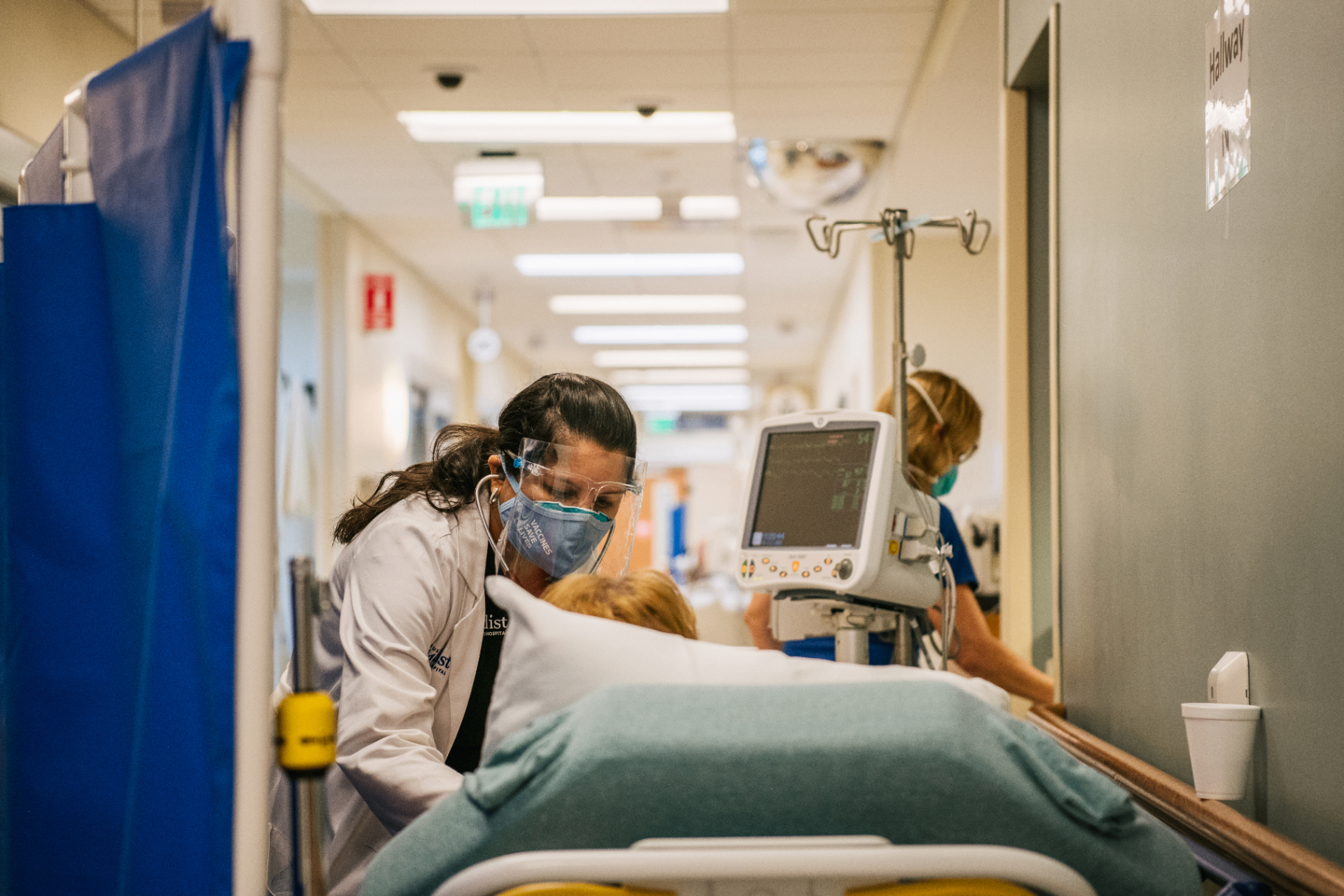
Hospitals are sacred spaces. They're where lives begin, where emergencies unfold, and where loved ones gather during some of their most vulnerable moments. But behind the scenes, these same environments face an increasing number of complex security threats—from drug theft and violent outbursts to breaches of restricted zones and patient privacy violations.
Healthcare workers already have a heavy enough load. They shouldn't also have to worry about whether the building is secure, if unauthorized individuals are wandering through sensitive areas, or if stolen medications are leaving through the side exit.
That's where AI-powered security systems are stepping in—not to add more technology for staff to manage, but to intelligently support hospital operations, protect patients and personnel, and comply with strict regulatory standards like HIPAA.
In this article, we'll explore how AI is transforming hospital security—quietly, intelligently, and responsibly.
The Modern Challenges of Healthcare Security
Hospitals are not like other buildings. They have open doors for visitors, staff working at all hours, and patients in critical conditions. They store not only life-saving medications but also highly sensitive information. This creates a unique blend of threats:
1. Drug Theft and Diversion
Hospitals hold controlled substances and narcotics—prime targets for internal and external theft. The U.S. Department of Justice reports that drug diversion in healthcare is a growing concern, often involving staff with direct access to pharmaceuticals.
2. Violent Incidents
Emergency rooms, in particular, have become hotspots for aggression. Whether it's a distressed patient, an unstable visitor, or an altercation between individuals, incidents can escalate quickly in emotionally charged environments.
3. Unauthorized Access to Restricted Zones
Whether it's someone slipping into a neonatal unit or entering an operating room without clearance, breaches in restricted areas can compromise patient safety, violate regulations, and disrupt critical workflows.
4. Patient Privacy Risks
Security cameras can't just capture everything. Hospitals must navigate the balance between surveillance and strict patient confidentiality under HIPAA and other privacy laws.
AI-Enhanced Cameras: From Passive Watching to Active Protection
Traditional surveillance systems simply record what's happening. But AI-enhanced security cameras go a step further—they analyze, learn, and respond.
Here's how:
Aggression Detection
AI systems can be trained to identify aggressive body language, like raised arms, sudden erratic movements, or shouting behavior. In high-risk zones—like emergency rooms, waiting areas, or behavioral health wings—this can lead to:
- •Instant alerts to nearby staff or security before the incident escalates
- •Automatic video bookmarks to review specific behaviors or interventions
- •De-escalation protocols that are triggered in real time (e.g., calling for support, activating panic buttons)
Loitering & Exit Monitoring
Hospitals often have multiple exit points—back doors, emergency exits, and loading docks. These are prime spots for unauthorized activity, including theft of drugs, equipment, or even patient records.
AI can detect:
- •Loitering near exit points
- •Unusual movement after hours
- •Door propping or access attempts by unbadged individuals
Rather than relying on random security patrols, AI acts as a constant, focused monitor—watching high-risk areas and sending alerts when behavior deviates from the norm.
When Seconds Matter: Emergency Camera Access for Police Collaboration
In moments of crisis—active shooter scenarios, missing persons, or violent altercations—seconds can make the difference between containment and catastrophe.
AI-integrated security platforms now allow authorized emergency personnel to instantly access relevant camera feeds during an incident. This means:
- •Faster situational awareness for responding police or paramedics
- •Live mapping of suspect movement through the hospital
- •Tactical visibility without needing a staff escort
Rather than wasting time navigating hallways or searching floorplans, first responders can be guided directly to the threat—saving lives and minimizing chaos.
At Tec-Tel, our AI systems include secure, tiered access protocols so that emergency camera viewing can be activated with administrator permission or triggered under pre-set emergency conditions.
HIPAA-Compliant Surveillance: The Fine Line Between Security and Privacy
Perhaps nowhere is surveillance more sensitive than in healthcare. Patient confidentiality is legally protected, and hospitals must avoid crossing the line into invasive monitoring.
AI-powered security systems have advanced in ways that allow hospitals to remain fully compliant:
Masking & Pixelation
Sensitive areas—like patient beds, medical monitors, or faces—can be automatically blurred or masked in video feeds unless viewed by authorized personnel. This ensures:
- •HIPAA compliance
- •Limited liability during audits
- •Protection of sensitive visual data
Role-Based Footage Access
Only certain staff—typically security supervisors or legal/compliance officers—can review footage involving patients or staff interactions. This can be tracked and logged, providing full transparency and audit trails.
In many cases, the AI system can identify what happened (loitering, tampering, aggression) without exposing who was involved—unless absolutely necessary.
Smart Workflow Integration: Keeping Nurses Informed in Real Time
Hospitals run on workflows. Nurses, clinicians, and administrators are juggling hundreds of tasks simultaneously. They don't have time to monitor camera feeds—but they do need to know when something important happens in their zone.
That's where AI-triggered alerts come in.
Let's take an emergency department as an example:
- 1.A person enters a staff-only triage zone without authorization.
- 2.The AI system recognizes the zone breach and lack of badge data.
- 3.A silent alert is sent directly to the nurse station's dashboard or tablet.
- 4.Security is notified if no staff response occurs within a set time.
These alerts can be customized by department, time of day, or security level. Some hospitals even integrate them into nurse call systems or existing health IT platforms for a seamless experience.
The goal? Support staff without overwhelming them—and allow human intervention where it matters most.
Future-Proofing Hospital Design: AI Data as a Planning Tool
Security cameras aren't just about watching. They're about learning.
When AI collects data over time, it can reveal patterns that hospital administrators and designers can use to build safer, more efficient facilities.
For example:
- •Exit pattern heatmaps can inform placement of security staff or controlled doors.
- •Loitering trends can reveal waiting areas that feel unsafe or unclear.
- •Staff workflow data can help optimize where supply rooms or panic buttons are located.
Hospitals are already starting to use AI surveillance insights to redesign entry protocols, reroute delivery traffic, and reshape department layouts to minimize risk and enhance patient experience.
A Real-World Example: Security That Saves Lives
Let's consider a hypothetical based on real hospital deployments:
Hospital: A 500-bed urban medical center with frequent ER violence and high visitor traffic.
Problems:
- •Multiple aggressive outbursts in ER each month
- •Drug theft incidents from unsecured carts and storage rooms
- •Unauthorized individuals entering NICU area
- •Staff complaints about feeling unsafe during overnight shifts
Solution:
- •AI video cameras installed in high-risk zones, exits, and restricted areas
- •Aggression detection and loitering alerts connected to mobile dashboards
- •Masking and HIPAA-compliant protocols enforced system-wide
- •Emergency access pathways for local law enforcement
- •Real-time alerts sent to nurses and overnight staff when motion is detected in off-limits areas
Results after 6 months:
- ER aggression incidents dropped by 70%
- Zero reported drug thefts from monitored zones
- Staff-reported "sense of safety" increased in post-deployment surveys
- Law enforcement successfully used AI alerts during a missing child situation, resolving it in under 10 minutes
The system didn't just provide surveillance—it helped build a safer, calmer hospital environment.
Security That Cares
When we think of hospitals, we think of care. But that care extends beyond IVs and operating rooms. It includes making sure everyone in the building—patient, visitor, nurse, janitor—feels safe and protected.
AI security systems don't replace people. They support them. They catch what we miss, respond when we're busy, and provide peace of mind in places that can be chaotic and intense.
Hospitals shouldn't have to choose between privacy and protection. With the right tools, they can have both—and do it better than ever before.
Ready to Enhance Your Healthcare Security?
Protect your patients, staff, and sensitive information with AI-powered security solutions designed specifically for healthcare environments. HIPAA-compliant, intelligent, and compassionate.
Schedule Your Healthcare Security Consultation